17/10/2026
If you've ever stood over a pile of wilted stems, shredded ribbon, soggy wrapping, and a few awkward bits of floral foam, you'll know disposal can get messy quickly.
If you've ever stood over a pile of wilted stems, shredded ribbon, soggy wrapping, and a few awkward bits of floral foam, you'll know disposal can get messy quickly. The rules around floral waste and foam disposal laws in Pinner explained are not always obvious, and that's exactly where people get stuck. What goes in the garden bin? What should be treated as mixed waste? And what about foam blocks used in arrangements, centrepieces, or sympathy tributes?
Truth be told, most people do not need a law degree to handle flower waste properly. They do, however, need a clear understanding of what counts as biodegradable floral waste, what foam materials are more troublesome, and how to stay aligned with local waste expectations in a sensible, low-risk way. This guide breaks it down in plain English, with practical steps, common mistakes, and a few real-world tips that make life easier.
Whether you run a small florist, organise events, manage office displays, or simply want to clear away flowers at home without doing the wrong thing, this article will help you make better decisions. You'll also find useful internal resources on related flower topics, including sustainability practices, how to care for flowers properly, and more about the business behind the arrangements.
Let's face it: disposal sounds boring until you've got a stack of waste in the hallway and no idea where it should go. Then it becomes very interesting, very quickly.
Flower waste might look harmless, but disposal choices can have real consequences. In a place like Pinner, where people often buy arrangements for birthdays, weddings, funerals, anniversaries, and everyday home use, waste can accumulate faster than you'd expect. A bouquet is easy. Ten centrepieces after an event? That is another story altogether.
Floral waste usually includes stems, leaves, petals, paper wraps, cellophane, ties, boxes, and other packaging. Foam disposal is trickier. Floral foam is commonly used to hold stems in place, but depending on the material and local handling expectations, it may not be suitable for green waste. That distinction matters because mixing materials can contaminate recycling streams and create extra processing costs downstream.
It also matters from a practical point of view. If you get the sorting wrong, you may face unnecessary collection issues, extra disposal effort, or the need to separate waste after the fact. Nobody wants to do that at the end of a long event day. Not at all.
For local florists, event planners, and venues, good disposal practice is part of professional service. It shows care, reduces mess, and makes operations smoother. For households, it simply means less confusion and fewer unwanted surprises on collection day.
Expert summary: The main goal is not perfection. It is sensible sorting. Keep biodegradable floral material separate from non-compostable packaging and be cautious with floral foam, because that is usually the item that causes the most trouble.
The basic idea is straightforward: different waste materials need different handling routes. Fresh flowers are organic, but once they are mixed with tape, foam, plastics, or coated packaging, the whole bundle may no longer be suitable for simple garden or green waste collection.
In practice, the disposal process usually starts with sorting the waste into broad categories:
The moment foam enters the picture, the job gets more specific. Floral foam is often not treated the same as plant matter, because it does not break down in the same way and can create problems if placed in the wrong bin. If you've ever tried to remove dried foam crumbs from a table after a busy Saturday wedding setup, you'll know it gets everywhere. Tiny bits. Annoying bits.
For households and small businesses, the safest approach is to separate floral foam from natural waste and follow the waste route that best matches the material type. In some cases that means general waste. In others, it may require advice from a local collection provider or waste contractor. The important thing is not to assume.
Local handling also depends on who is producing the waste and in what volume. A single vase arrangement is one thing. A commercial florist with daily flower turnover, delivery packaging, and event waste is another. The more regular the waste stream, the more important a structured process becomes.
If your business already uses flower-focused services such as flower delivery in Pinner or browses ranges like all flowers, it is worth thinking about disposal at the same time as purchase and display. That way, you are not improvising later.
Good floral waste handling is not only about staying on the right side of rules. It saves time, reduces stress, and makes your space more orderly. A tidy waste routine may sound dull, but it has a surprisingly big impact when you do it often.
There is another benefit people overlook: a better customer experience. If a bride, bereaved family member, or corporate client sees that your setup is neat and responsibly managed, it quietly reinforces trust. No drama. Just competence.
For those comparing floral products, service quality and sustainability often go hand in hand. A business that pays attention to disposal usually pays attention to care, delivery, and presentation too. That is not a legal rule, just a pattern you notice over time.
This topic is relevant to a fairly wide group of people, and that's why it comes up so often. If you are in any of the situations below, the guidance here will probably save you time.
Maybe you have birthday flowers on the kitchen counter, sympathy flowers in the sitting room, or wedding leftovers after a family celebration. You need to know what can go into general rubbish, what can be composted, and what should be kept separate.
Retail florists deal with regular stem waste, packaging, damaged stock, display materials, and floral foam. If you are browsing or selling through a local shop such as flower shops in Pinner, waste handling becomes part of your daily rhythm, not an afterthought.
Weddings, funeral services, corporate functions, and private parties can generate a surprising amount of waste in a short time. It is not just flowers. It is arch pieces, table decor, wraps, and sometimes foam-heavy installations.
Reception displays, client gifts, and seasonal arrangements often get disposed of by staff who are not trained in waste sorting. That is where simple guidance helps. One bin for organic waste, one for packaging, and a clear rule for foam. Simple, really.
If you want a practical way to handle floral waste and foam disposal, follow this sequence. It is not glamorous, but it works.
A small practical note: if your flowers are fading after a warm afternoon indoors, the smell can turn before the waste is collected. It is not pleasant. Best to clear it promptly rather than leave it near radiators or direct sun.
For recurring flower maintenance or delivery-related care, a useful companion reference is delivery information, which helps you think through timing and handling alongside disposal.
Over time, the difference between a messy waste routine and a smooth one usually comes down to small habits. Nothing fancy. Just consistency.
One thing professionals often do well is pre-sort waste during the clean-down, not after. You save yourself a second pass later, and that is a gift to your future self. Honestly, a very underrated skill.
If sustainability is part of your brand or business values, you may also want to review the company's public-facing sustainability approach, especially if clients are increasingly asking about greener choices.
A lot of waste problems are not caused by bad intentions. They come from rushing, assuming, or trying to make one bin do everything. That is usually where things go wrong.
There is also a quieter mistake: not asking for advice when you are unsure. If a waste item is unusual, unusual means unusual. Better to pause than to throw it in the nearest bin and hope for the best.
You do not need a complicated setup, but a few basic tools make disposal much easier.
| Tool or resource | Why it helps | Best used for |
|---|---|---|
| Clearly labelled bins | Reduces sorting mistakes | Workshops, shops, venues, home prep areas |
| Heavy-duty gloves | Protects hands from wire, dried stems, and sharp packaging edges | Event clean-downs and floral prep areas |
| Small collection trays | Catches loose petals, bits of foam, and ribbon offcuts | Busy worktops and packing stations |
| Secured waste sacks | Helps contain damp waste and prevents mess | Back-of-house and collection prep |
| Waste notes or checklists | Helps teams follow the same process every time | Retail florists and event teams |
For product inspiration and operational planning, it can be helpful to look at categories like best sellers, florist choice, or same-day delivery options to understand what kinds of arrangements create more packaging or handling needs. It is a small thing, but it helps you plan the clean-up side as well as the creative side.
If you are looking after larger or more frequent orders, the corporate side of things may matter too. In that case, corporate accounts can be a useful reference point for structured ordering and service planning.
When people ask about floral waste and foam disposal laws in Pinner explained, they usually want one thing: what are you actually supposed to do? The careful answer is that waste obligations can depend on the material, the volume, the collector, and the circumstances. In the UK, you should treat waste correctly according to its type and follow the instructions from your local collection or licensed waste service where relevant.
For floral waste, best practice is fairly consistent: keep organic material separate from plastics and other contaminants. For foam, the safest assumption is that it is not green waste unless you have clear guidance stating otherwise. That is because foam is a synthetic support material and can disrupt composting or organic recycling if placed in the wrong stream.
If your business produces waste regularly, it is sensible to document how you separate, store, and pass it on. That is not just good housekeeping. It helps demonstrate a reasonable approach if questions arise later. In a busy shop, a simple written process can prevent a dozen small mistakes. Small things add up, unfortunately.
Best practice also means being honest about uncertainty. If you do not know whether a decorative element is compostable, recyclable, or general waste, do not guess. Check the product details, supplier guidance, or your waste contractor's instructions before disposal. That bit of caution saves headaches.
For shoppers and gift buyers, a sustainability-minded florist may offer better packaging or simpler materials. If that matters to you, explore the guarantees and the broader sustainability position before ordering. It tells you a lot about how carefully the business thinks about both product and process.
Different waste streams suit different materials. Here is a simple comparison that helps make the decision a bit clearer.
| Waste material | Typical route | Risk if mixed incorrectly | Practical note |
|---|---|---|---|
| Fresh stems, petals, leaves | Organic or general waste, depending on local setup | Low to medium | Best kept clean and free from packaging |
| Cardboard sleeves and boxes | Paper/card recycling if clean, otherwise general waste | Medium | Flatten before disposal |
| Plastic wrap and sleeves | Plastic recycling if accepted locally, otherwise general waste | Medium | Check for contamination and film type |
| Ribbon, wire, tape | Usually general waste | Medium | Remove from stems whenever possible |
| Floral foam | Usually general waste or contractor-specific route | High | Do not assume it belongs with green waste |
This table is intentionally simple, because in real life people need a quick answer, not a dissertation. If the item is clean and natural, it is easier to manage. If it is mixed, coated, foamed, or taped up like a parcel from another planet, treat it more cautiously.
Imagine a small Pinner event planner clearing down after a Saturday afternoon celebration. The table flowers were arranged in floral foam, the bouquets came wrapped in paper sleeves, and the venue had a few loose stems from broken displays. At first glance it all looks like "flower waste". But it is actually three or four different waste types.
The team sorts the waste in a single pass. Natural stems go into the organic bin where appropriate. Paper sleeves are flattened and checked for cleanliness. Tape and ribbon are removed. The foam is separated and bagged for the correct disposal route. The final result? Fewer bins, less confusion, and a cleaner end-of-day handover.
Now compare that with the rushed version. Everything goes into one sack. The foam breaks apart. The sack tears. Wet petals stick to cardboard. Someone spends the next morning sorting it all out with a bin liner and a mildly defeated expression. Not ideal.
What makes the difference is not effort, but system. One clear system saves time every single week.
That same approach works for household clean-up too. After a family birthday or anniversary, the flowers from a restaurant table or living room display may only take a few minutes to sort properly, but those few minutes prevent mess later. Quiet wins like that matter.
Use this checklist before you throw anything away. It is simple, but it catches most problems.
If you can tick most of those boxes, you are in a good place. If not, no panic. Start with the foam and the packaging, because that is where most of the risk lives.
Floral waste and foam disposal laws in Pinner explained come down to one practical idea: sort waste by material, do not assume foam is the same as flowers, and follow sensible disposal habits that keep you compliant and keep collections cleaner. Whether you are a household clearing a few bouquets or a florist handling daily orders, the same principle applies. Separate first, dispose second.
When you build that habit, everything gets easier. Your workspace stays tidier, your waste is less likely to cause problems, and you spend less time untangling avoidable mistakes. In the real world, that is a win. A quiet one, but a real one.
If you are planning an order, reviewing your service workflow, or simply want to choose arrangements with disposal in mind, take a look at product options and sustainability-focused pages before you buy. A little planning now makes the cleanup later feel almost boring, which is exactly the point.
Get a free quote today and see how much you can save.
Sometimes, yes, if the waste is clean plant material and your local collection accepts it. Once flowers are mixed with foam, plastic, tape, or wire, the answer may change. Keep it simple: organic material separate, everything else checked carefully.
Usually not through standard household recycling. Floral foam is a synthetic arrangement material, and most people should treat it as general waste unless a specialist waste route is clearly available.
Remove non-organic items first, then sort stems and petals from packaging and foam. If the flowers are still in good condition, you may choose to reuse or donate them where appropriate. If not, dispose of each material according to its type.
Yes, often in practice. Florists generate waste regularly and at higher volume, so a clearer sorting process is usually needed. Households still need to sort properly, but the scale and frequency are different.
Cut flowers can sometimes be composted if they are free from synthetic materials. Remove wraps, foam, tape, and wire first. If the arrangement includes treated or contaminated components, composting may not be suitable.
It can contaminate organic or recycling streams and make processing harder. In a commercial setting, it may also cause avoidable collection issues or sorting work later on.
Not always. Clean, dry cardboard is usually easier to recycle, but if it is wet, contaminated, or heavily coated, it may need a different disposal route.
Order more accurately, train staff to sort materials properly, choose packaging with simpler disposal in mind, and review what gets thrown away most often. A small weekly review can reveal patterns fast.
As early as possible. The longer foam stays mixed with other materials, the harder it is to separate cleanly. Early removal saves time and reduces mess.
Nothing complicated. Gloves, labelled bins, sturdy sacks, and a basic waste checklist are usually enough for most households and small businesses. Bigger operations may need more structured handling.
Usually not. These items are commonly too small, mixed, or contaminated to be accepted in ordinary recycling. General waste is often the safer route unless your provider states otherwise.
Mixing everything together. That is the one that causes the most trouble. Once foam, plastic, and organic matter are tangled up, sorting becomes slower and messier. A little separation at the start makes all the difference.
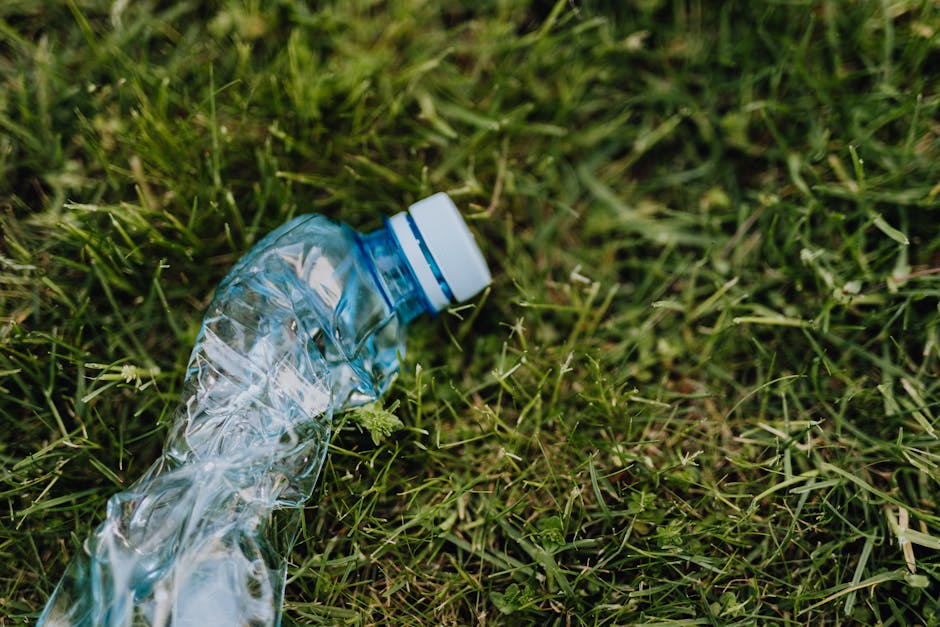
[IMG1]
If you've ever stood over a pile of wilted stems, shredded ribbon, soggy wrapping, and a few awkward bits of floral foam, you'll know disposal can get messy quickly.
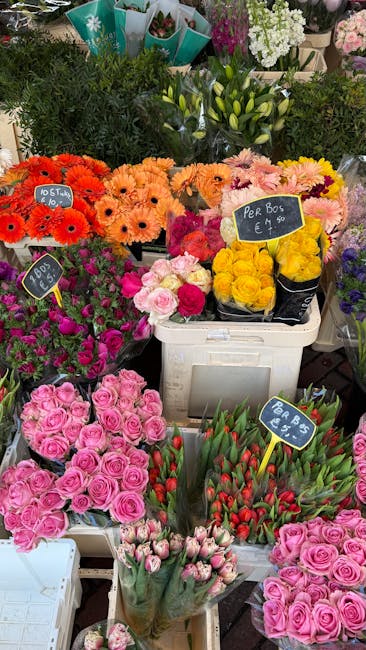
If you are trying to compare Pinner florists: price, delivery & bouquet size, you are probably doing what most people do at the last minute - trying to balance budget, timing, and whether the bouquet will actually look as generous in person as it does online.

If you are planning a wedding in Pinner, one of the first things you will want to understand is exactly what a wedding flowers quote covers.
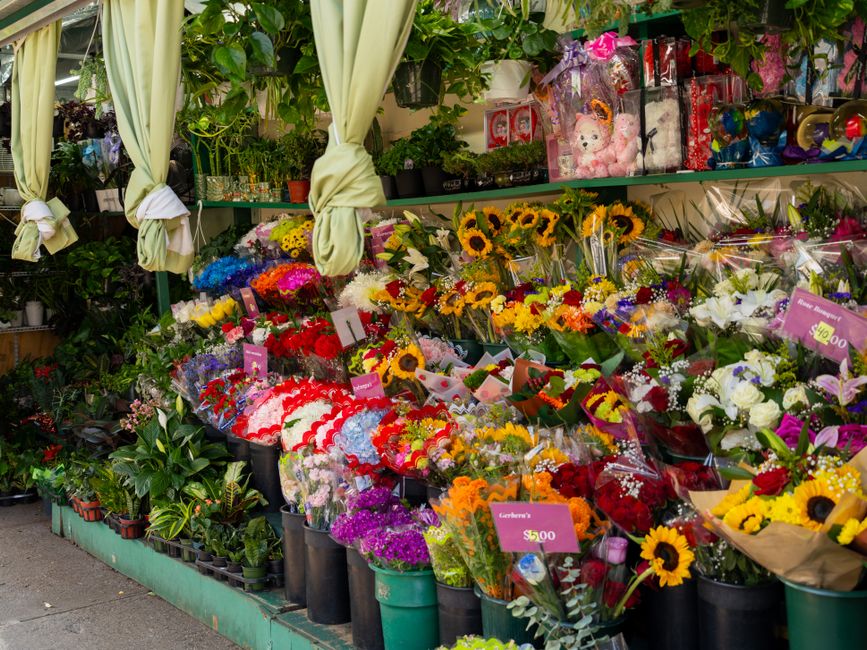
If you are thinking about running a roadside flower stall in Pinner, the details matter more than most people expect.
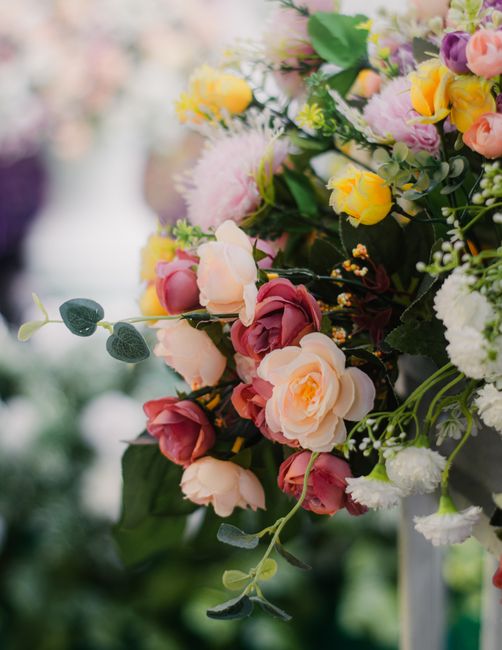
Planning wedding flowers near Pinner Memorial Park sounds simple until you start weighing up bouquets, buttonholes, venue styling, delivery windows, colour palettes, and whether the florist can actually handle a wedding day without fuss.

Few things are more disappointing than opening a fresh bouquet and finding that the roses have dropped their heads a little. It happens.

Flower orders should feel simple. Pick a bouquet, add a message, choose delivery, done.

If you are trying to send flowers in Pinner Village, the first thing you usually want to know is simple: which streets do you actually serve? That matters more than people think.

If you need funeral flowers in HA5 today, the priority is simple: find a florist who can handle the arrangement sensitively, deliver on time, and make the process easier rather than adding more pressure.

If you are arranging flowers for a home, office, venue, school, care home, or event space in Harrow, the last thing you want is a delivery driver circling the street, guessing about restrictions, and ending up with a penalty.

If you need flowers quickly, the best florists on Pinner High Street are the ones that combine fresh stock, fast preparation, reliable delivery windows, and sensible bouquet choices.

Located in the leafy north-west of London, Pinner is a village-like haven brimming with historical charm, scenic beauty, and a vibrant culinary scene.

How to Make the Most of a Delightful Day Exploring Pinner Nestled in the leafy corners of northwest London, Pinner is a hidden gem waiting to be unveiled.

Nestled in the picturesque London Borough of Harrow, Pinner is more than just a quaint suburban village--it is a hidden gem brimming with opportunities for families to explore, bond, and create cherished memories.

Nestled in the historic Borough of Harrow, Pinner is a charming suburb of London that offers a variety of unique and exquisite party venues.

Nestled in the London Borough of Harrow, Pinner is a charming suburban area that has managed to preserve its quaint village feel while offering modern-day amenities.
Pinner, a picturesque suburb in the London Borough of Harrow, has long been a haven for families, retirees, and young professionals seeking a tranquil yet connected lifestyle.

Pinner, a charming suburban area located in the London Borough of Harrow, has long been a sought-after destination for homebuyers.

Are you planning a trip to London and looking for an off-the-beaten-path destination? Look no further than Pinner, a charming village located on the outskirts of the city.





Please fill out the form below to send us an email and we will get back to you as soon as possible.