Harrow Council rules for roadside flower stalls in Pinner
Posted on 23/09/2026
If you are thinking about running a roadside flower stall in Pinner, the details matter more than most people expect. A small stand of seasonal blooms can look simple from the pavement, yet Harrow Council rules for roadside flower stalls in Pinner may affect where you trade, how you display stock, what permissions you need, and whether your setup is safe for passers-by. Miss one piece, and a friendly little side hustle can turn into a complaint, a visit from enforcement, or a wasted morning with wilted flowers and no trade.
That is the awkward part, really. The roses may be fresh, the daffodils bright, the morning air pleasant, but roadside selling is still a regulated activity. In this guide, you will get a plain-English look at how the rules usually work, what to check before you set up, the practical risks to avoid, and how to approach compliance without overcomplicating everything. We will also look at sensible alternatives if a full roadside stall is not the right fit.
Expert summary: if your flower stall is near a public highway or pavement in Pinner, treat it like a proper trading setup, not a casual roadside table. Check permission, safety, access, and trading conditions before you sell a single stem.
- Why the rules matter
- How the process typically works
- Benefits of getting it right
- Who needs to pay attention
- Step-by-step guidance
- Expert tips for smoother trading
- Common mistakes to avoid
- Tools, resources and recommendations
- Law, compliance and best practice
- Options and comparison
- Real-world example
- Practical checklist
- Conclusion
- Frequently asked questions
Why Harrow Council rules for roadside flower stalls in Pinner Matters
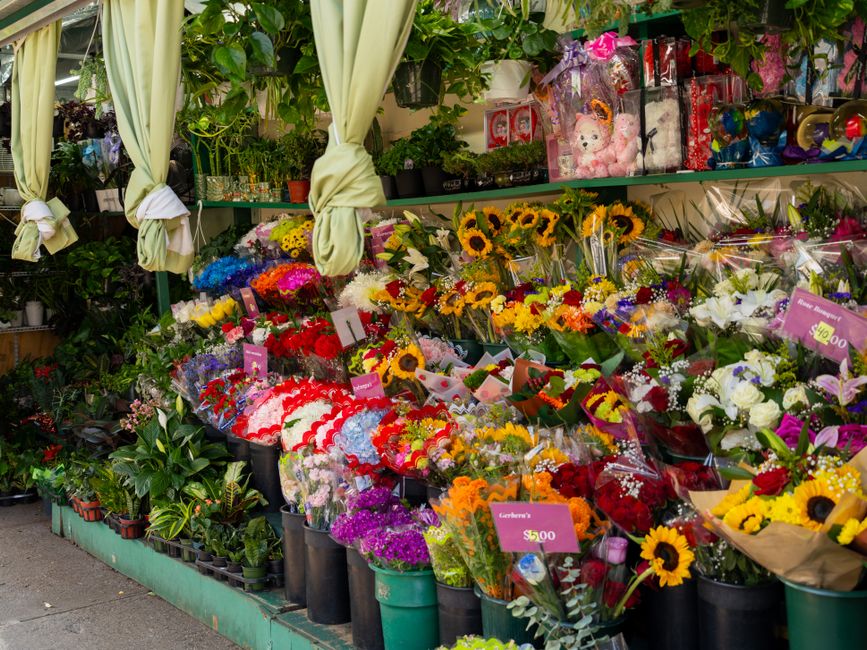
Roadside flower stalls sit in a tricky spot between charming local commerce and public-space regulation. That is why Harrow Council rules for roadside flower stalls in Pinner matter so much. You are not just selling flowers; you are using a piece of the streetscape that belongs to everyone. Even a modest table and a couple of buckets can affect visibility, pavement width, pedestrian flow, parking, nearby businesses, and road safety.
For customers, a roadside stall feels easy and local. For the council, it may raise questions about obstruction, licensing, waste, drainage, noise, and whether the activity is properly authorised. For you, the seller, it is about avoiding preventable problems. Truth be told, the rules are there not to spoil the fun but to stop a small stall from becoming a hazard.
In Pinner, where streets can be busy at peak times and footfall can change quickly through the day, even a well-meaning setup needs thought. A flower bucket placed too near the kerb might obscure sight lines for drivers. A display board could narrow a path. A van parked badly could upset neighbours before the first bouquet is sold. That is the real-world side of it.
There is also a trust factor. A properly run stall feels more professional. People notice. They are often happier to buy from a seller who looks organised, tidy, and clearly allowed to be there. And if you are building a local floral business, that credibility matters just as much as the blooms themselves.
How Harrow Council rules for roadside flower stalls in Pinner Works
The exact requirements can vary depending on the site, the nature of the stall, and whether you are on private land or public highway. In practice, the question is usually less "Can I sell flowers?" and more "Where exactly am I trading, and do I have the right permission to do it safely?" That is the bit people sometimes overlook.
If your stall is on the pavement, verge, or any part of the public highway, you should expect scrutiny around permission and public safety. If you are on private forecourt land, the setup may still be subject to planning, lease, landlord, or access restrictions. And if you are using a vehicle as part of the stall, parking and obstruction issues can come into play too.
The usual process, in broad terms, looks something like this:
- Identify whether the selling point is public or private land.
- Check if the activity needs permission, consent, or a licence.
- Review access, safety, display, and waste arrangements.
- Confirm whether any trading conditions apply to hours, size, or location.
- Make sure your insurance and business paperwork are in order.
- Keep the stall tidy and easy to pass, especially during busier periods.
In a lot of cases, the council will want the setup to be safe, unobtrusive, and not misleading to the public. That means no blocking dropped kerbs, no crowding near junctions, and no casual spread of buckets and boxes across the pavement. A roadside stall that looks harmless at 8:00 in the morning can become a nuisance by lunchtime if stems, water, signage, and delivery crates start to spread. Happens all the time, honestly.
One practical point: permissions and enforcement often depend on the exact location, not just the business idea. A stall that might be acceptable in one part of Pinner could be problematic a few streets away because of pedestrian traffic, visibility, nearby schools, or parking pressure. So location is not just a detail. It is the whole game.
Key Benefits and Practical Advantages
It may seem like a lot of admin for flowers, but following the rules brings real benefits. The first is simple peace of mind. If you know your setup is compliant, you can focus on sales rather than worrying every time a council vehicle passes or a neighbour looks out of the window.
Second, compliance tends to improve how the stall operates. A tidy, well-positioned stall usually sells better because customers can see it, approach it easily, and trust that it is legitimate. Flowers are emotional purchases, yes, but people still buy with their eyes and their instinct for quality. A clean display says a lot before you say a word.
Third, proper permissions can help protect your business over the long run. If you ever need to expand, move, or negotiate a different pitch, having a record of responsible trading is a useful asset. Councils, landlords, and neighbours tend to be more cooperative when there have not been complaints or avoidable issues.
There are some everyday advantages too:
- Fewer customer complaints about access or muddled pricing
- Better presentation and stronger sales conversion
- Less risk of goods being moved, removed, or challenged
- Safer working conditions during early mornings or wet weather
- More confidence when trading near homes, shops, or busy streets
And let's be fair, flower selling depends heavily on first impressions. A roadside stall with well-arranged stock, clear prices, and no clutter feels calm. It feels considered. That can make the difference between someone walking past and someone stopping to pick up a bunch of lilies on the way home.
Who This Is For and When It Makes Sense
This topic matters to several different people, not just established florists. If any of the following sounds like you, it is worth taking the rules seriously before you set anything up.
- Independent florists who want a roadside display to attract local foot traffic
- Seasonal sellers such as people offering Mother's Day, Valentine's Day, or summer bouquet stands
- Small business owners testing demand before investing in a permanent shop
- Event sellers who want a temporary floral point near a venue or busy route
- Property owners considering a stall on forecourt land, frontage, or driveway space
It can make sense if you already have local demand, a safe location, and the ability to manage stock daily. It may not make sense if you only have occasional flowers, no proper storage, or a location that causes traffic tension from day one. Roadside trading has a habit of looking simpler than it is.
Here is the key decision point: are you selling in a way that adds to the area without causing disruption? If the answer is honestly yes, a roadside flower stall can work beautifully. If the answer is maybe, maybe not, then pause. A small adjustment in location or format can save a lot of trouble later.
For example, a florist in Pinner might find that a modest, neatly signed display on private frontage works well, while a full pavement stall would be too exposed and too risky. Same flowers, different model. That distinction matters more than people think.
Step-by-Step Guidance
If you want to approach roadside flower selling properly, follow a structured process. It does not need to be complicated. It just needs to be deliberate.
- Confirm the exact pitch. Measure where the stall will sit and identify whether any part is on public highway, pavement, verge, or private land.
- Check local permission requirements. Do not assume that because you are only selling flowers, no approval is needed. Small-scale trading can still trigger rules.
- Consider access and safety. Make sure pedestrians can pass comfortably, especially pushchairs, wheelchairs, and people carrying shopping.
- Plan your display layout. Keep buckets stable, signs modest, and stock arranged so it does not spill into the walking route.
- Sort out business basics. Think about insurance, cash handling, receipts, pricing, and waste disposal.
- Prepare for weather. Rain, wind, and heat all change how a stall behaves. Flowers need shade, and signage needs weight. British weather, doing what it does best.
- Review the setup after opening. Stand back and look at it from a passer-by's point of view. Can people move freely? Can drivers see clearly? Does it feel tidy?
- Keep records. If permission is granted or conditions are agreed, keep them somewhere easy to find.
A useful habit is to treat the first week like a trial run. You may think the stall is fine until the lunchtime school run, a delivery van, and a couple of parked cars turn it into a squeeze. That is the sort of detail you only catch by watching it in real use.
One more thing. If the setup feels cramped on day one, it will probably feel worse by day ten. Not better. So be honest early.
Expert Tips for Better Results
People often ask how to make a roadside stall work without creating hassle. The answer is usually a mix of presentation, timing, and restraint. You do not need to shout. You need to look reliable.
- Keep the footprint small. A narrow, orderly stall is easier to defend and easier for customers to use.
- Use clear pricing. Ambiguous prices create friction. Clear labels help sales and reduce awkward conversations.
- Rotate stock sensibly. Freshness is everything with flowers. A few tired stems can drag down the whole display.
- Anchor lightweight items. Wind gusts are nobody's friend, especially with paper wraps and signage.
- Think about sight lines. If your setup is near a bend, driveway, or junction, be conservative with height and placement.
- Work with the rhythm of the street. Early morning deliveries, school pick-up times, and commuter traffic all change the experience.
In practice, the best stalls are the ones that look almost effortless. The flowers do the talking. The layout supports them. A customer should feel they can stop, browse, pay, and leave without a little dance around buckets and box lids.
There is also value in being neighbourly. A quick conversation with nearby residents or businesses can prevent silly tension later. Sometimes a friendly heads-up does more than a folder of paperwork. Not always, but often enough.
Common Mistakes to Avoid
Most roadside flower stall problems are predictable. That is the good news. The bad news is that people keep making the same mistakes because the setup looks harmless. It is easy to fall into that trap.
- Assuming a small stall needs no permission. Small does not automatically mean exempt.
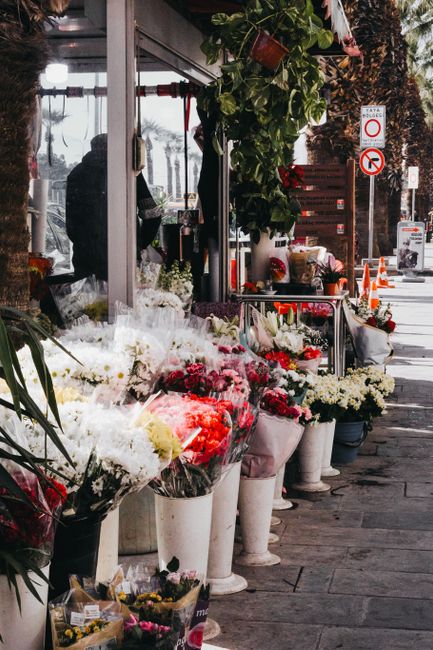
- Blocking the pavement. Even a narrow obstruction can create real access problems.
- Ignoring vehicle parking issues. A van stopping badly can become the main complaint, not the stall itself.
- Using oversized signs. Large boards can be visually noisy and may raise concern about highway obstruction.
- Leaving waste out. Cellophane, broken stems, damp cardboard, and tape make a small site look untidy fast.
- Failing to plan for bad weather. A display that survives a calm morning can collapse in a gusty afternoon.
- Trading before checking conditions. This is the classic one. A quick start now can become a headache later.
Another mistake is assuming every roadside flower stall should look like a mini-market. It really should not. Less is often more. A clean, simple arrangement can feel more elegant and more credible than a crowded, overfilled pitch with too much going on.
And yes, flowers are romantic by nature. Compliance, less so. But the two can live in the same place if you set things up properly.
Tools, Resources and Recommendations
You do not need expensive kit to run a careful roadside flower stall, but a few practical tools make a genuine difference. The best setups are usually the most organised ones, not the fanciest ones.
| Tool or resource | Why it helps | What to look for |
|---|---|---|
| Stable display buckets | Helps stop spills and keeps stems upright | Weighted bases, easy carrying, cleanable surfaces |
| Weather-resistant signage | Makes pricing and product names easy to read | Simple lettering, modest size, secure fixing |
| Shade or cover | Protects flowers from sun and rain | Compact canopy or sheltered positioning |
| Waste containers | Keeps the site clean and professional | Lidded, regularly emptied, not placed in the way |
| Insurance documents | Supports business readiness and peace of mind | Up-to-date cover appropriate to your setup |
If you are offering flowers for special occasions, it can also help to build around your wider service range. For example, a local business that also handles flower delivery in Pinner or runs a proper florist in Pinner may have an easier time balancing roadside sales with more controlled orders.
In a different direction, if your roadside stall is really a stopgap between deliveries, it might make sense to direct some customers toward established services like same-day flower delivery in Pinner or sending flowers online. That gives people an option when they cannot stop safely.
Useful planning also includes looking at your broader floral offer. A stall that sells a focused range often performs better than one trying to do everything. Seasonal bouquets, thank-you stems, sympathy flowers, and birthdays can all be presented cleanly without cluttering the pitch. The simpler the structure, the easier the day.
Law, Compliance, Standards, or Best Practice
This part needs a careful tone. The exact legal position can depend on the location, the land involved, and the permissions already in place. So rather than pretending there is one universal rule, the sensible approach is to treat roadside flower selling as a regulated activity that may involve local authority control, highway considerations, planning issues, and business obligations.
At a minimum, best practice usually means:
- Do not obstruct the highway, pavement, or access points
- Do not create a hazard for pedestrians, cyclists, or drivers
- Keep the area tidy, stable, and easy to pass through
- Use honest signage and clear prices
- Keep business records and permissions organised
- Respect nearby residents and other traders
If the stall is on private land, you still may need to check lease terms, landlord consent, or planning considerations. If the stall is on or near the public highway, the standard is even higher because the public has a right to use that space safely. That is where many disputes begin, usually over something that looked minor at the time.
There are also practical standards that sit alongside formal rules. For example, a stall should not become slippery from spilled water, should not present sharp edges, and should not force customers to stand in the carriageway. Those are not glamorous issues, but they are the ones that matter on a wet Tuesday in Pinner when people are trying to pass with shopping and dogs and school bags.
If you are unsure, the safest path is to get clarity before you trade. A little patience upfront can prevent a much bigger problem later. That is not bureaucratic fluff; it is just good business sense.
Options, Methods, or Comparison Table
Not every flower seller needs a true roadside stall. In fact, comparing the options is often the smartest way to decide what fits your location and risk tolerance.
| Option | Best for | Pros | Trade-offs |
|---|---|---|---|
| Roadside stall on private frontage | Property owners with a visible, safe forecourt | Good visibility, local feel, easier control | Still needs careful checking of permissions and access |
| Roadside stall on or near the pavement | Experienced sellers with proper permission | High footfall, impulse purchases | Highest risk of obstruction, complaints, and enforcement |
| Collection point linked to a florist shop | Established businesses | More controlled, easier to manage, less exposure | Less spontaneous traffic than a visible roadside setup |
| Delivery-led model | Sellers who want fewer on-street complications | Simple customer journey, scalable, less physical clutter | Less walk-by browsing and immediate visibility |
For many local sellers, a hybrid approach works best. You might keep a small, compliant display on-site and encourage customers to order more elaborate arrangements through your delivery service or shop presence. If your business includes options like next-day flower delivery or a local flower shop in Pinner, that can reduce pressure on the roadside pitch.
That balance matters. A stall does not have to do everything. Sometimes the best stall is just the one that invites people in, then hands them off to a calmer, more controlled sales route.
Case Study or Real-World Example
Imagine a small florist in Pinner who wants to place a roadside flower stand outside a premises with decent visibility. The idea is simple: a few buckets of mixed seasonal flowers, a handwritten price board, and some weekend trade from passing walkers and drivers.
At first glance, it looks straightforward. But once the layout is tested, a few issues appear. The sign is too tall and catches the wind. One bucket sits too close to the edge of the footpath. Delivery crates are left beside the display because there is nowhere else to put them. By midday, the setup feels cramped, and a couple of pedestrians have to step around it. Nothing catastrophic, but enough to attract attention.
The business owner then makes three changes. The display is narrowed, the sign is lowered, and the storage area is moved behind the frontage. The flowers are grouped more neatly, prices are easier to read, and the route for pedestrians is clear. Sales improve almost immediately because the pitch looks calmer and more intentional. No miracle. Just sensible adjustments.
That is the real lesson: compliance is not only about avoiding penalties. It often improves trade. Customers prefer a stall that feels safe and tidy. Neighbours prefer a stall that stays out of the way. And the seller gets fewer headaches. A rare win-win, to be fair.
Another small but useful observation: the first thirty minutes of trading often reveal the most. If people keep slowing down but not buying, the issue may be visibility. If they hesitate because they cannot approach easily, the issue may be layout. Small signals, but they tell you a lot.
Practical Checklist
Before you open the stall, run through this checklist. It is simple, but it catches the mistakes that cause the most trouble.
- Have you confirmed whether the stall is on public or private land?
- Have you checked any required permission, consent, or licence?
- Can pedestrians pass comfortably without squeezing past?
- Is the stall safely away from junctions, dropped kerbs, and visibility splays?
- Are all buckets, stands, and signs stable in wind or passing traffic?
- Is the pricing clear, simple, and visible?
- Do you have a tidy plan for water, waste, and packaging?
- Are your business and insurance documents organised?
- Will the setup still work if it rains, gets windy, or becomes busier than expected?
- Have you thought about how customers will pay and receive their flowers quickly?
If you can tick those off without hesitation, you are in a much better place. If you cannot, do not rush it. A roadside stall should feel sturdy, safe, and low-drama. That is the goal.
And yes, low-drama is underrated in business.
Get a free quote today and see how much you can save.
Conclusion
Harrow Council rules for roadside flower stalls in Pinner are really about one thing: making sure a small local business does not become a nuisance or a safety issue. If you understand the land, the permissions, the access requirements, and the practical realities of the street, the setup becomes much easier to manage.
The best roadside stalls are not the biggest. They are the ones that feel calm, legal, tidy, and easy to use. That is what customers remember anyway. Not the paperwork, thankfully, but the feeling that the flowers were sold with care.
If you are considering a stall in Pinner, start small, check carefully, and build a setup that respects the space as much as it sells the flowers. That is the kind of local business people trust. And trust, once earned, tends to bloom quietly but strongly.
Sometimes the smartest move is simply to do things properly from the start. It saves time, saves stress, and leaves you free to focus on the good part - the flowers themselves.
Frequently Asked Questions
Do I need permission to run a roadside flower stall in Pinner?
In many cases, yes, or at least some form of approval or consent may be needed depending on the exact location. If the stall uses public highway space, pavement, or verge, it is especially important to check before trading.
Can I put flowers on the pavement outside my shop or home?
Not automatically. Even if the area looks like "my bit" of pavement, it may still be public land or subject to specific controls. You should confirm whether the setup affects pedestrian access or requires permission.
What is the biggest risk with a roadside flower stall?
The biggest risk is usually obstruction - blocking people, vehicles, or sight lines. A close second is assuming a small, attractive display does not need proper checking. That assumption can be expensive.
Are temporary flower stalls treated differently from permanent ones?
Often they are, but not always in the way people expect. Temporary setups may still need permission, especially if they affect public space or create a repeat trading pattern. Short-term does not always mean exempt.
What should I do if I want to trade on private forecourt land?
Check ownership, lease terms, landlord consent, and any planning or access issues. Private land can be easier to manage, but it is not rule-free. You still need to think about safety and customer flow.
Can I use a van as part of the flower stall?
Yes, but parking and access become part of the compliance picture. A vehicle that blocks the pavement or creates a hazard can cause problems even if the flowers themselves are neatly arranged.
What kind of flowers work best for roadside selling?
Hardier, high-visibility flowers often work well because they stay attractive during the trading day. Seasonal bunches, mixed bouquets, and clearly priced popular stems usually perform better than fragile displays that need constant attention.
How can I make a roadside stall look more professional?
Keep the layout simple, use clear pricing, avoid clutter, and make sure the display is stable and tidy. Professional does not have to mean fancy. It just needs to look deliberate and easy to understand.
What if a neighbour complains about the stall?
Take the complaint seriously and review the setup immediately. Often the issue is not the flowers, but the placement, noise, parking, or waste. A small adjustment can solve a lot before it escalates.
Is it better to sell flowers roadside or offer delivery instead?
That depends on your location and business model. Roadside selling can attract impulse buyers, while delivery is usually easier to control and scale. Many businesses benefit from a mix of both.
Do I need insurance for a small flower stall?
It is strongly sensible to have appropriate business insurance, especially if you are using public-facing space or handling customer collections. The exact cover you need depends on the setup, but skipping it is a risky shortcut.
How do I know if my stall is causing a highway issue?
A good test is simple: can pedestrians pass easily, can vehicles see clearly, and is the area still safe when it gets busier? If the answer is no, the layout probably needs reworking.
What is the best next step if I want to start a roadside stall in Pinner?
Map the exact location, check the permission requirements, and design the simplest possible setup that keeps people safe. If you are unsure, pause and get clarity first. A careful start almost always pays off later.